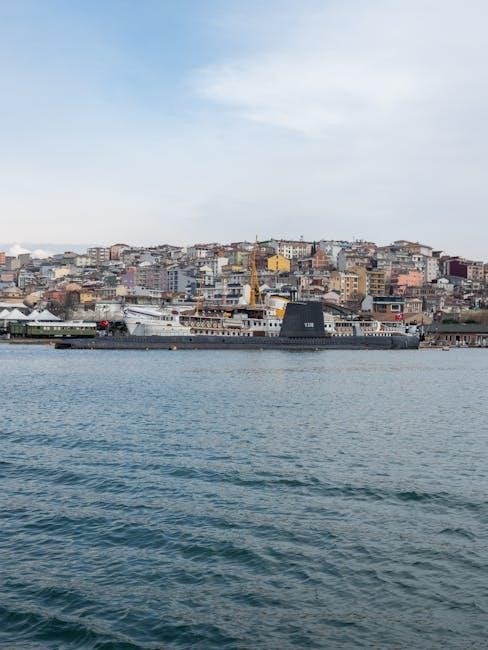
Russian Submarines at Polyarny Base: An Overview
Polyarny Naval Base, documented in a CIA report from 1978 and GlobalSecurity.org resources, serves as a crucial hub for Russian submarine activity.
KH-7 imagery from 1967 reveals significant submarine presence, highlighting its long-standing strategic importance within the Northern Fleet.
The base’s role is central to Russia’s naval capabilities in the Barents Sea, as evidenced by historical and contemporary documentation.
Historical Significance of Polyarny
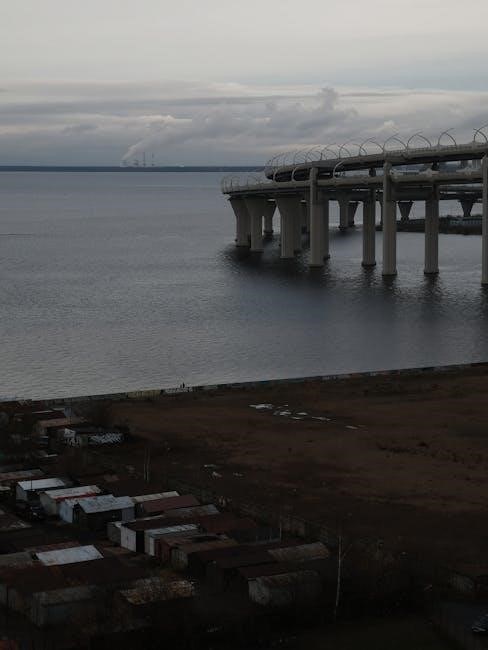
Polyarny’s history is deeply intertwined with the Cold War and the Soviet Union’s strategic naval ambitions. Established as a vital base for the Northern Fleet, its origins trace back to the need for a secure Arctic port capable of supporting submarine operations. A 1978 CIA document details the base’s growing importance during this period, emphasizing its role in projecting Soviet power.
The base’s location near Murmansk provided access to the Barents Sea, a crucial chokepoint for potential NATO naval movements. Imagery from 1967, specifically KH-7 satellite photos analyzed by GlobalSecurity.org, visually confirms the substantial naval infrastructure already in place. This early imagery showcases the beginnings of the extensive facilities dedicated to submarine maintenance and deployment.
Polyarny wasn’t merely a port; it represented a forward operating base, allowing for rapid submarine deployment into the Atlantic Ocean. Its historical significance lies in its contribution to the balance of power during the Cold War and its continued relevance in modern Russian naval strategy.
Cold War Origins and Development
Polyarny’s development as a major submarine base accelerated dramatically during the Cold War. Initially focused on diesel-electric submarines, the base rapidly adapted to accommodate the Soviet Union’s burgeoning nuclear submarine fleet. The 1978 CIA report highlights the expansion of infrastructure to support these larger, more complex vessels.
KH-7 satellite imagery from May 28, 1967, as detailed by GlobalSecurity.org, provides visual evidence of this growth. The images reveal the construction of specialized dry docks and submarine pens designed to protect submarines from aerial attack and harsh Arctic conditions. This period saw significant investment in facilities for torpedo and missile maintenance, crucial for sustaining submarine operations.
The base’s strategic importance prompted continuous upgrades throughout the Cold War, transforming it into a self-contained naval complex. Polyarny became a key component of the Soviet Union’s second-strike capability, ensuring a credible deterrent against potential adversaries. Its development mirrored the escalating tensions and naval arms race of the era.
Polyarny as a Key Strategic Location
Polyarny’s location on the Kola Peninsula provides unparalleled strategic advantages for the Russian Northern Fleet. Situated within the Arctic Circle, it benefits from relatively ice-free waters due to the warm North Atlantic Current, allowing year-round submarine operations. This access is critical for projecting Russian naval power into the North Atlantic and the Arctic Ocean, as documented in the 1978 CIA report.
The base’s sheltered harbor offers protection from adverse weather conditions, while its proximity to key shipping lanes enables rapid deployment of submarines. GlobalSecurity.org’s analysis of 1967 KH-7 imagery demonstrates the extensive infrastructure built to support these operations.
Furthermore, Polyarny’s remoteness provides a degree of concealment, making it more difficult for potential adversaries to monitor Russian submarine activity. This strategic positioning has cemented Polyarny’s role as a vital component of Russia’s naval defense strategy, ensuring a credible second-strike capability and regional dominance.
Infrastructure and Facilities at Polyarny
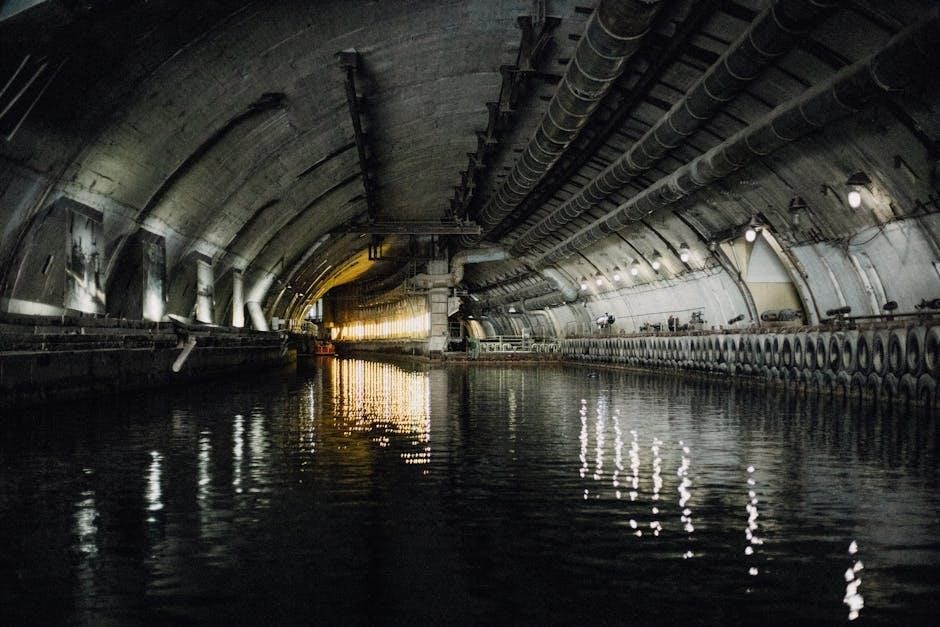
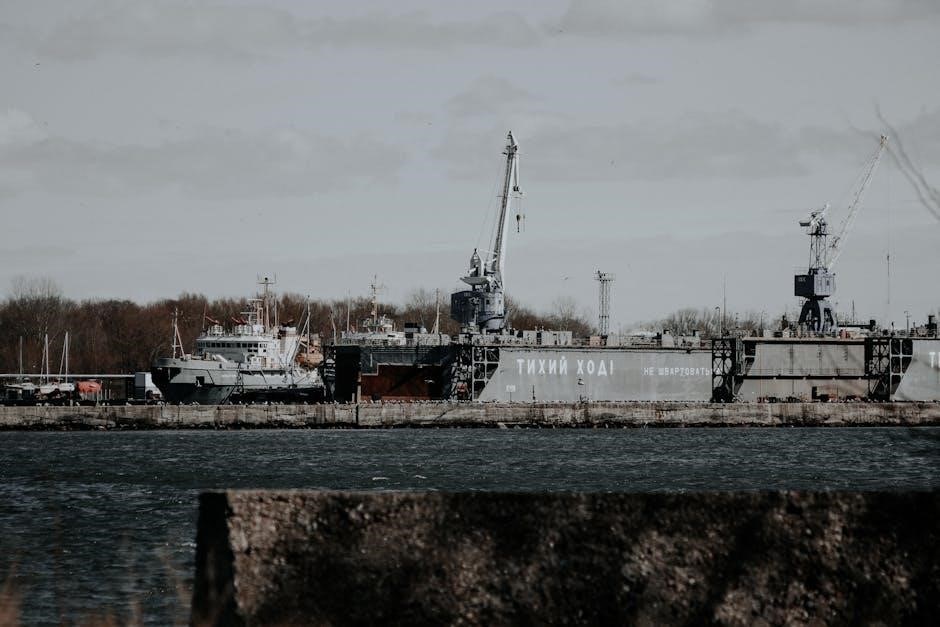
Polyarny boasts extensive facilities, including robust dry docks for submarine maintenance, protected submarine pens, and secure storage for torpedoes and missiles, as shown in imagery.
Dry Docks and Repair Capabilities
Polyarny Naval Base possesses significant dry dock infrastructure crucial for the maintenance and repair of the Russian Northern Fleet’s submarine force. Historical documentation, including the 1978 CIA report and imagery from GlobalSecurity.org, indicates the presence of multiple dry docks capable of accommodating various submarine classes.
These facilities are essential for conducting routine maintenance, overhauls, and repairs following operational deployments. The dry docks allow for underwater hull inspections, repairs to propulsion systems, and the replacement of critical components. The base’s repair capabilities are vital for sustaining the operational readiness of the submarine fleet, particularly given the harsh environmental conditions of the Barents Sea.
The KH-7 imagery from 1967, while not detailing internal dock operations, confirms the existence of substantial dock structures. Modernization efforts likely have enhanced these capabilities, allowing for the servicing of newer, more complex submarine designs. The strategic importance of Polyarny hinges on its ability to independently repair and maintain its submarine assets.
Submarine Pens and Shelters
Polyarny Naval Base incorporates hardened submarine pens and shelters designed to protect its underwater fleet from aerial attack and harsh Arctic conditions. Analysis of the 1967 KH-7 imagery, alongside information from GlobalSecurity.org, reveals substantial underground and covered facilities capable of housing multiple submarines simultaneously.
These structures provide a secure environment for submarines undergoing maintenance, resupply, or awaiting deployment. The pens offer protection against conventional bombing and, to a degree, nuclear strikes, enhancing the survivability of Russia’s strategic deterrent. The shelters also mitigate the effects of extreme weather, ice formation, and corrosion, extending the lifespan of the vessels.
The CIA report from 1978 likely contained further assessments of these protective structures. Modern upgrades may have incorporated enhanced shielding and life support systems. The presence of these robust shelters underscores Polyarny’s role as a critical bastion for Russia’s Northern Fleet submarines, ensuring their readiness and survivability.
Support Facilities: Torpedo and Missile Storage
Polyarny Naval Base necessitates extensive support facilities, crucially including secure storage for torpedoes and submarine-launched missiles. While specific details remain classified, analysis of available resources, including GlobalSecurity.org and the 1978 CIA report, suggests a network of heavily guarded bunkers and depots are present.
These facilities are vital for maintaining the operational readiness of the submarine fleet, ensuring a constant supply of weaponry. The storage sites are designed to protect munitions from environmental factors and unauthorized access, with robust security measures in place. The base likely houses a variety of torpedoes, anti-ship missiles, and potentially, ballistic missile warheads.
The 1967 KH-7 imagery may reveal the general layout of storage areas, though precise contents would be concealed. Modernization efforts likely focus on improving safety protocols and enhancing storage capacity to accommodate newer, more sophisticated weapon systems. These support facilities are integral to Polyarny’s function as a major submarine base.
Submarine Deployments and Activities
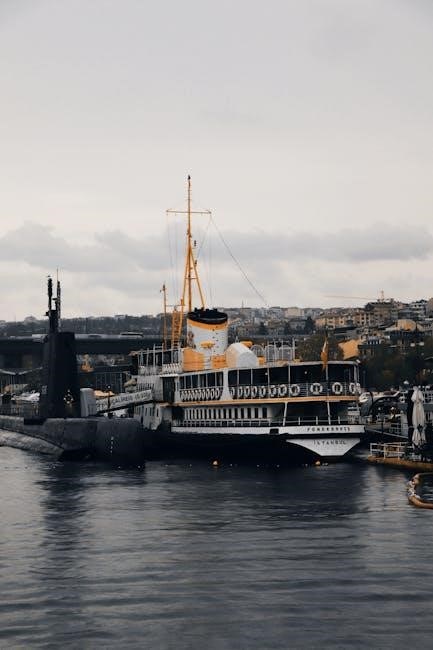
Polyarny serves as a primary deployment location for the Russian Northern Fleet’s submarines. CIA and GlobalSecurity.org data confirm frequent patrols and exercises in the Barents Sea.
Types of Submarines Based at Polyarny
Polyarny Naval Base historically and currently supports a diverse range of Russian submarine classes. Analysis of 1967 KH-7 imagery and subsequent reports, including the 1978 CIA document, indicates the presence of both ballistic missile submarines (SSBNs) and attack submarines (SSNs). Specifically, the base has been a key deployment location for Project 667A (Yankee-class) and later Project 941 (Akula-class) SSBNs, crucial for Russia’s nuclear deterrence.
More recently, GlobalSecurity.org resources suggest a growing presence of newer attack submarines, such as the Severodvinsk-class (Project 885M), known for their advanced capabilities and reduced noise levels. These modern SSNs enhance the Northern Fleet’s ability to operate effectively in the Arctic environment. Additionally, older classes like the Victor-III and Sierra-II submarines have likely utilized Polyarny for maintenance and deployment throughout their service lives. The base’s infrastructure is geared towards supporting these varied submarine types, reflecting its enduring strategic importance.
Northern Fleet Operations and Exercises
Polyarny Naval Base serves as the primary launch point for numerous Northern Fleet operations and exercises, detailed in historical analyses like the 1978 CIA report and updated by GlobalSecurity.org. These activities frequently involve submarine deployments to the Barents Sea and beyond, demonstrating Russia’s naval power projection capabilities. Regular exercises focus on honing anti-submarine warfare tactics, simulating potential conflict scenarios, and maintaining a high level of readiness.
Submarine patrols originating from Polyarny are crucial for maintaining a continuous presence in strategically important waters. These operations often coincide with broader Russian military exercises, showcasing interoperability between different branches of the armed forces. The base’s location allows for rapid deployment to the North Atlantic, enabling the Northern Fleet to challenge NATO naval activity. KH-7 imagery from 1967 and subsequent observations confirm Polyarny’s consistent role in facilitating these extensive naval maneuvers and strategic deployments.
Submarine Patrol Areas in the Barents Sea
Submarines based at Polyarny Naval Base primarily patrol within the Barents Sea, a strategically vital area for Russia’s Northern Fleet, as documented in the 1978 CIA report and resources from GlobalSecurity.org. These patrol zones extend towards the Greenland-Iceland-United Kingdom (GIUK) gap, a critical chokepoint for naval access to the North Atlantic. Patrols focus on monitoring NATO naval activity and maintaining a deterrent presence.
The relatively shallow depths and complex underwater topography of the Barents Sea present unique challenges for submarine operations, demanding highly trained crews and advanced sonar technology. Imagery from 1967 suggests established patrol routes, likely refined over decades. Submarines also conduct exercises in the Kara Sea and the Norwegian Sea, expanding their operational reach. These areas allow for testing of new technologies and maintaining proficiency in arctic conditions, solidifying Russia’s naval dominance in the region.
Intelligence Gathering and Satellite Imagery
CIA reports from 1978 and GlobalSecurity.org, including 1967 KH-7 imagery, provide crucial intelligence on Polyarny. These sources detail submarine activity and base infrastructure;
Analysis of 1967 KH-7 Imagery
KH-7 satellite imagery captured on May 28, 1967, offers a valuable historical snapshot of Polyarny Naval Base. Analysis reveals a significant concentration of ships and submarines docked within the harbor, demonstrating the base’s established role as a key submarine operating location. Detailed views showcase the arrangement of vessels, hinting at operational logistics and potential deployment readiness.
Furthermore, the imagery identifies probable Beriev Be-12 antisubmarine aircraft stationed at the adjacent airfield, indicating a dedicated focus on submarine warfare capabilities and the protection of naval assets. These aircraft would have been crucial for monitoring and countering potential threats in the Barents Sea. The images also provide details of the naval yard, revealing infrastructure supporting submarine maintenance and repair.
The clarity of the National Archives sourced imagery allows for assessment of the base’s layout and the scale of its operations during the Cold War era, providing context for understanding its evolution and current strategic importance. This visual intelligence is foundational for tracking changes over time.
CIA Reports on Polyarny Naval Base (1978)
A CIA report dated 1978, now declassified and available through the CIA Reading Room, details the strategic significance of Polyarny Naval Base. The document confirms the base’s function as a primary operating location for Soviet submarines, particularly those assigned to the Northern Fleet. It highlights Polyarny’s protected location and extensive infrastructure as vital for submarine deployment and sustainment in the Arctic region.
The report likely assessed the base’s capacity for submarine maintenance, repair, and resupply, alongside its role in supporting broader Soviet naval operations in the North Atlantic. While specific details remain classified, the document’s existence underscores the high level of US intelligence interest in Polyarny during the Cold War.
This assessment, combined with later imagery analysis from sources like GlobalSecurity.org, paints a picture of a consistently important naval facility, continually adapted to meet evolving strategic needs. The 1978 report provides a crucial historical baseline for understanding the base’s current capabilities.
GlobalSecurity.org Resources and Updates
GlobalSecurity.org provides a comprehensive archive of information regarding Polyarny Naval Base, including detailed analysis and historical KH-7 satellite imagery from May 28, 1967. This imagery visually confirms the base’s substantial infrastructure dedicated to submarine operations, showcasing docked vessels and supporting facilities.
The website’s resources offer a valuable perspective on the base’s evolution over time, with updates dating back to September 7, 2011. It details the airfield and potential presence of Beriev Be-12 antisubmarine aircraft, indicating a focus on both offensive and defensive submarine warfare capabilities.
GlobalSecurity.org serves as a continually updated repository, linking to further imagery and related resources. It’s a crucial source for open-source intelligence regarding Russian naval activities, offering detailed views of Polyarny’s layout and potential operational functions, complementing information from sources like the CIA’s 1978 report.
Current Status and Modernization
Polyarny continues as a vital base for the Russian Northern Fleet. Modernization efforts, though specifics are limited in open sources, likely focus on supporting newer submarine classes and weapon systems.
Recent Developments and Upgrades
Recent analysis of Polyarny, drawing from sources like GlobalSecurity.org, indicates ongoing, albeit discreet, modernization. While detailed information remains classified, observable changes suggest upgrades to infrastructure supporting current and future submarine deployments. The base’s dry docks and repair facilities are likely undergoing enhancements to accommodate newer, larger submarine classes, potentially including the Borei and Yasen-M types.
Imagery analysis, though dated to 1967 KH-7 photos, establishes a historical pattern of continuous activity and development. Current upgrades likely encompass improved security measures, enhanced communication systems, and modernized storage facilities for torpedoes and missiles. The airfield at Polyarny, noted for its Beriev Be-12 antisubmarine aircraft in past imagery, may also be receiving upgrades to support advanced maritime patrol aircraft.
These developments underscore Russia’s commitment to maintaining a robust submarine presence in the Barents Sea, solidifying Polyarny’s role as a critical strategic asset. The CIA report from 1978 confirms the base’s long-term importance, a status that continues to be reinforced through ongoing investment and modernization.
Impact of Modern Weapon Systems
The integration of modern weapon systems at Polyarny Naval Base significantly alters the strategic landscape of the Barents Sea. Submarines based there, potentially including those documented in the 1978 CIA report, are now equipped with advanced cruise missiles like the Kalibr, extending Russia’s power projection capabilities. This impacts NATO’s naval posture and necessitates increased monitoring.
GlobalSecurity.org’s historical imagery, while dating back to 1967 KH-7 reconnaissance, demonstrates a consistent focus on submarine warfare. Today, these submarines pose a greater threat due to quieter propulsion systems and improved sensor technology. The base’s infrastructure must support the complex maintenance requirements of these advanced systems.
Furthermore, the deployment of hypersonic weapons, though not directly confirmed at Polyarny, represents a potential future development. These advancements demand continuous intelligence gathering and analysis, as highlighted by the ongoing relevance of resources like those found on GlobalSecurity.org, to assess the evolving threat posed by Russian submarine forces.
Future Prospects for Polyarny Base
The future of Polyarny Naval Base appears firmly entrenched as a cornerstone of Russia’s Northern Fleet, despite ongoing modernization efforts. Analysis of historical data, including the 1978 CIA report and GlobalSecurity.org’s resources, suggests a long-term commitment to maintaining a substantial submarine presence.
Continued investment in infrastructure, coupled with the deployment of newer submarine classes, is anticipated. The base will likely adapt to accommodate evolving technologies, such as unmanned underwater vehicles (UUVs), and potentially serve as a platform for hypersonic weapon systems.
Imagery from 1967 demonstrates the base’s enduring strategic value, and this is unlikely to diminish. Monitoring Polyarny remains crucial for assessing Russia’s naval intentions in the Arctic. The base’s role in projecting power and securing access to vital sea lanes will likely intensify, demanding sustained intelligence gathering and analysis from sources like GlobalSecurity.org.