
Mickey Thompson Tire Pressure Guide: A Comprehensive Overview (Updated 12/04/2025)
Maintaining correct tire pressure is crucial for Mickey Thompson tires‚ impacting performance and safety; consult Mickey Thompson resources or their tech department for guidance.
Optimal tire pressure depends on tire series‚ load‚ terrain‚ and vehicle specifics‚ requiring careful adjustment for highway or racing conditions.
Always prioritize safety by adhering to maximum pressure limits and understanding the risks of both over and underinflation for optimal tire life.
Mickey Thompson Tires are renowned for their high performance‚ catering to diverse driving needs from daily commutes to competitive racing. However‚ unlocking their full potential hinges on maintaining the correct tire pressure. This guide provides a comprehensive overview‚ ensuring you achieve optimal grip‚ handling‚ and longevity from your Mickey Thompson tires.
Understanding that a “one-size-fits-all” approach doesn’t apply‚ we’ll delve into specific recommendations for various tire series like ET Street Radials‚ Baja Boss A/Ts‚ and Baja ATZ P3s. Factors such as vehicle weight‚ driving conditions‚ and even ambient temperature significantly influence ideal pressure.
Furthermore‚ we’ll emphasize the importance of consulting Mickey Thompson’s official resources‚ including tech bulletins and direct contact with their technical support team at (330) 928-9092 or (800) 222-9092‚ to tailor pressure to your unique setup.
Understanding Tire Pressure Terminology
PSI (pounds per square inch) is the standard unit for measuring tire pressure‚ indicating the amount of air forcing against the tire’s inner walls. The tire sidewall displays the maximum pressure‚ a limit never to exceed‚ as it poses a safety risk. OE (Original Equipment) refers to the tire size and recommended pressure specified by the vehicle manufacturer‚ found on the tire placard.
Cold inflation pressure means checking pressure before driving‚ or after the tire has cooled for at least three hours‚ ensuring accurate readings. Load rating indicates the maximum weight a tire can carry at a specific pressure‚ crucial for Baja Boss A/T applications.
Understanding these terms is vital for interpreting Mickey Thompson’s guidelines and making informed adjustments‚ optimizing performance and preventing premature wear. Always prioritize safety and consult official resources for clarification.
Why Correct Tire Pressure Matters for Mickey Thompson Tires
Maintaining optimal tire pressure in Mickey Thompson tires directly impacts handling‚ grip‚ and overall performance‚ especially during demanding applications like drag racing or off-roading. Incorrect pressure leads to uneven wear‚ reducing tire lifespan and compromising safety.
Underinflation causes excessive sidewall flexing‚ generating heat and increasing the risk of failure‚ while overinflation reduces the contact patch‚ diminishing grip and ride comfort. For ET Street Radials‚ precise pressure is vital for consistent launches.
Proper pressure maximizes tire responsiveness‚ ensuring predictable handling and optimal traction. Always consult Mickey Thompson’s guidelines and adjust based on load‚ terrain‚ and driving conditions for peak performance and longevity.

Specific Tire Series Pressure Guidelines
Mickey Thompson offers varied pressure recommendations based on tire series – ET Street Radial‚ Baja Boss A/T‚ and Baja ATZ P3 – for optimal performance.

Mickey Thompson ET Street Radial Tire Pressure
ET Street Radial tires require specific pressure adjustments for differing applications‚ demanding a nuanced approach to maximize their capabilities. For highway use‚ contacting Mickey Thompson’s tech department at (800) 222-9092 (Option 5) is recommended‚ providing your OE tire size and cold inflation pressure.
Drag racing pressure recommendations differ significantly‚ functioning as starting points only‚ as optimal pressure varies based on chassis setup and drivetrain. These pressures are exclusively for off-highway use. Precise adjustments are vital for achieving peak grip and consistent performance on the track. Remember to consult Mickey Thompson tech bulletins for further guidance.
Proper inflation ensures optimal performance and longevity‚ so always prioritize accurate measurement and adherence to recommended guidelines.
Highway Use Inflation Pressure for ET Street Radials
Determining the correct highway inflation pressure for Mickey Thompson ET Street Radials necessitates direct consultation with Mickey Thompson’s technical support team. Contact them at (800) 222-9092‚ selecting Option 5‚ to receive tailored recommendations.
Be prepared to provide your vehicle’s original equipment (OE) tire size and the corresponding OE cold inflation pressure‚ as indicated on the vehicle’s tire placard. Additionally‚ have the new tire size readily available. This information allows the tech staff to accurately assess your specific needs.
Using the correct highway pressure ensures a comfortable ride‚ optimal handling‚ and prolonged tire life‚ while maintaining safety standards for everyday driving conditions.
Drag Racing Pressure Recommendations for ET Street Radials
Mickey Thompson Racing Tire Pressure Guidelines are specifically for off-highway use only‚ built upon optimal chassis and drivetrain setups. These recommendations serve as starting points‚ acknowledging that actual optimal air pressure can vary significantly.
Factors influencing ideal drag racing pressure include vehicle weight‚ track conditions‚ chassis setup‚ and driver preference. Experimentation and careful monitoring of tire temperature are crucial for fine-tuning pressure to maximize grip and minimize tire movement.
Remember‚ these are guidelines; consistent testing and adjustments are vital to achieve peak performance. Prioritize safety and understand that exceeding recommended pressure can lead to dangerous tire failure.
Mickey Thompson Baja Boss A/T Tire Pressure
Mickey Thompson Baja Boss A/T tire pressure requires careful consideration of load rating and intended use. Always consult the specific tire pressure chart for your Baja Boss A/T size before making any adjustments.
Exceeding the maximum pressure indicated on the tire sidewall is extremely dangerous and can result in tire failure. Correct pressure ensures optimal grip‚ handling‚ and prevents premature wear. The load rating dictates the maximum weight the tire can safely carry at the specified pressure.
Adjustments are necessary based on terrain and driving conditions‚ impacting performance and ride comfort. Prioritize safety and refer to Mickey Thompson resources for detailed guidance.
Baja Boss A/T Pressure Chart – Importance of Load Rating
Understanding the load rating is paramount when determining appropriate tire pressure for Mickey Thompson Baja Boss A/T tires. The load rating‚ found on the tire sidewall‚ indicates the maximum weight each tire can support.
The tire pressure chart correlates specific tire sizes with corresponding load ratings and recommended pressure ranges. Using the correct pressure based on your vehicle’s weight ensures optimal load capacity and prevents premature tire wear or failure.
Ignoring the load rating and inflating to a pressure not listed on the chart can compromise safety and performance. Always prioritize the manufacturer’s recommendations for a secure and enjoyable driving experience;
Adjusting Pressure Based on Terrain (Baja Boss A/T)
Mickey Thompson Baja Boss A/T tires excel in diverse terrains‚ but optimal pressure adjustments are key to maximizing performance. For highway driving‚ maintain recommended pressure for even wear and fuel efficiency.
When venturing off-road onto softer surfaces like sand or mud‚ reducing tire pressure increases the contact patch‚ enhancing traction and floatation. Conversely‚ rocky terrain demands higher pressure to protect against punctures and sidewall damage.
Experimentation is crucial; start with modest adjustments and monitor tire behavior. Remember to reinflate to recommended highway pressure upon returning to paved roads for safe and efficient travel;
Mickey Thompson Baja ATZ P3 Tire Pressure
Mickey Thompson Baja ATZ P3 tires offer exceptional performance‚ but proper inflation is vital. A comprehensive tire pressure chart exists‚ covering 29 different tire sizes‚ each with a specific inflation range.
These ranges typically fall between 35 and 80 psi‚ emphasizing the importance of consulting the chart for your specific tire size. Never exceed the maximum listed pressure‚ as this compromises safety and tire integrity.
Maintaining correct pressure ensures optimal grip‚ handling‚ and prevents premature wear. Regularly check and adjust pressure based on load and driving conditions for the best possible experience.
Baja ATZ P3 Tire Size and Pressure Range
Mickey Thompson’s Baja ATZ P3 series boasts a wide variety of sizes‚ each requiring a specific pressure range for optimal performance. The available sizes encompass a total of 29 different options‚ catering to diverse vehicle applications.
Inflation pressure recommendations vary significantly‚ spanning from a minimum of 35 psi to a maximum of 80 psi. This broad range underscores the necessity of identifying your exact tire size and referencing the official Mickey Thompson pressure chart.
Incorrect pressure can lead to compromised handling‚ uneven wear‚ and reduced tire lifespan. Always prioritize consulting the chart to ensure safe and effective operation of your Baja ATZ P3 tires.
Maximum Inflation Pressure Limits for Baja ATZ P3
Exceeding the maximum inflation pressure listed on the tire sidewall for Mickey Thompson Baja ATZ P3 tires is extremely dangerous and strictly prohibited. This limit is not a suggestion‚ but a critical safety threshold.
Operating beyond this maximum can lead to catastrophic tire failure‚ potentially resulting in loss of vehicle control and serious accidents. The tire’s structural integrity is compromised when overinflated‚ increasing the risk of a blowout.
Always adhere to the recommended maximum pressure‚ which varies by tire size‚ but generally falls within the 80 psi range for the Baja ATZ P3 series. Prioritize safety and consult the official Mickey Thompson resources for precise specifications.
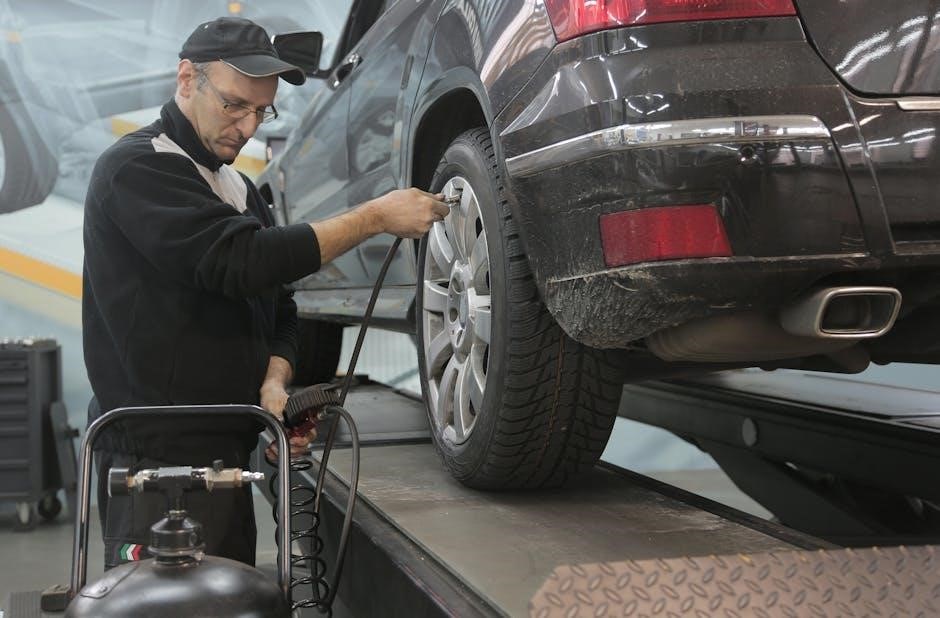
Factors Influencing Optimal Tire Pressure
Optimal tire pressure is affected by vehicle weight‚ driving conditions‚ tire size‚ and temperature; adjustments are vital for performance and longevity.
Vehicle Weight and Load
Vehicle weight and anticipated load significantly influence optimal Mickey Thompson tire pressure. Heavier vehicles‚ or those frequently carrying substantial loads‚ require higher tire pressure to maintain proper support and prevent excessive sidewall flex.
Conversely‚ lighter vehicles may benefit from slightly lower pressure for improved grip and ride comfort. It’s crucial to consider not just the vehicle’s base weight‚ but also the weight of passengers‚ cargo‚ and any added accessories like winches or bumpers.
Always refer to the tire’s load rating and Mickey Thompson’s recommendations‚ adjusting pressure accordingly to ensure safe and optimal performance under varying load conditions. Ignoring load considerations can lead to premature tire wear‚ reduced handling‚ and potential safety hazards.
Driving Conditions (On-Road vs. Off-Road)
Mickey Thompson tire pressure adjustments are vital based on driving conditions; on-road and off-road demands differ greatly. For highway driving‚ maintaining recommended pressure ensures optimal fuel efficiency‚ even wear‚ and stable handling.
However‚ off-road adventures‚ particularly in terrains like sand or mud‚ necessitate lower tire pressure. Reducing pressure increases the tire’s contact patch‚ enhancing traction and “floatation” over loose surfaces.
Remember to re-inflate tires to appropriate on-road pressure after off-road use. Consider the specific terrain – rocky trails may require slightly higher pressure than sand – and always prioritize safety and vehicle control.
Tire Size Deviations from Original Equipment (OE)
When deviating from your vehicle’s Original Equipment (OE) tire size with Mickey Thompson tires‚ adjusting pressure is critical. The tire placard’s recommended pressure is based on the OE tire‚ not aftermarket sizes.
Contacting Mickey Thompson’s tech department with your OE tire size and the new tire size is highly recommended. They can provide tailored pressure suggestions for optimal performance and safety. Ignoring this step can lead to inaccurate speedometer readings‚ compromised handling‚ and uneven wear.
Remember‚ larger tires often require different pressure than smaller ones‚ and load ratings also play a role. Prioritize accurate information from Mickey Thompson to ensure a safe and enjoyable driving experience.
Temperature and Altitude Effects on Tire Pressure
Tire pressure is significantly affected by both temperature and altitude. As temperatures drop‚ tire pressure decreases‚ and as they rise‚ pressure increases. This is due to air volume changes within the tire.
Similarly‚ higher altitudes experience lower atmospheric pressure‚ resulting in reduced tire pressure. Regularly check Mickey Thompson tire pressure‚ especially with seasonal changes or when traveling to different elevations.
Adjust pressure accordingly to maintain optimal levels. A good rule of thumb is to add or subtract 1 PSI for every 10°F temperature change. Consistent monitoring ensures safe handling‚ even wear‚ and maximizes the performance of your Mickey Thompson tires.

Locating Tire Pressure Information
Find recommended pressure on the tire sidewall‚ vehicle placard‚ or Mickey Thompson tech bulletins; contact their support for specific guidance.
The Tire Sidewall – Maximum Pressure
The tire sidewall displays the maximum permissible inflation pressure‚ a critical safety limit never to be exceeded. This number represents the highest pressure the tire can handle structurally‚ but it doesn’t indicate the optimal pressure for your specific vehicle or driving conditions.
It’s essential to understand that the sidewall pressure is not a recommendation for daily use. Operating at this maximum pressure can result in a harsh ride‚ reduced traction‚ and uneven tire wear. Always prioritize the vehicle manufacturer’s recommended pressure (found on the tire placard) or consult Mickey Thompson’s resources for specific guidance related to your tire model and application.
Ignoring this distinction and consistently overinflating your tires significantly increases the risk of tire failure‚ potentially leading to dangerous driving situations. The sidewall marking is a safety threshold‚ not a performance target.
Vehicle Tire Placard – OE Recommended Pressure

Your vehicle’s tire placard‚ typically located on the driver’s side doorjamb or within the glove compartment‚ provides the Original Equipment (OE) recommended tire pressure. This pressure is determined by the vehicle manufacturer based on the vehicle’s weight‚ handling characteristics‚ and intended use with the originally fitted tire size.
It’s crucial to use this placard as a starting point‚ even when upgrading to Mickey Thompson tires. However‚ if you’ve changed tire sizes from the OE specification‚ contacting Mickey Thompson’s tech department is vital to determine the appropriate adjustment. They can provide tailored recommendations based on your specific setup.
The placard’s pressure ensures optimal safety‚ fuel efficiency‚ and ride comfort for your vehicle. Deviating significantly from this recommended pressure can compromise these factors and potentially lead to handling issues.
Mickey Thompson Tech Bulletins and Resources
Mickey Thompson provides valuable technical bulletins and resources to assist owners in determining the correct tire pressure for their specific applications. These resources are designed to complement the information found on the tire sidewall and vehicle placard‚ offering more detailed guidance.
You can access these bulletins through the Mickey Thompson website‚ often categorized by tire series (ET Street Radial‚ Baja Boss‚ etc.). These documents frequently include specific recommendations for various vehicle types and driving conditions‚ including highway use and drag racing.
Utilizing these resources ensures you’re leveraging Mickey Thompson’s expertise to optimize your tire performance and longevity. Remember to always refer to the most current version of the bulletins‚ as recommendations may be updated periodically.
Contacting Mickey Thompson Technical Support
For personalized assistance with Mickey Thompson tire pressure recommendations‚ reaching out to their technical support team is highly encouraged. They possess in-depth knowledge of their entire product line and can provide tailored advice based on your specific vehicle and driving needs.
You can contact Mickey Thompson technical support at (330) 928-9092 or (800) 222-9092 (Option 5). Be prepared to provide your original equipment (OE) tire size and the OE cold inflation pressure found on your vehicle’s tire placard.
Having this information‚ along with your new Mickey Thompson tire size‚ will enable the technicians to offer the most accurate and effective pressure suggestions for optimal performance and safety.

Tools and Techniques for Accurate Pressure Measurement
Utilize a quality tire pressure gauge and always check pressure when tires are cold for the most accurate readings‚ ensuring optimal Mickey Thompson performance.
Using a Quality Tire Pressure Gauge
Investing in a reliable tire pressure gauge is paramount for accurate readings‚ directly impacting the performance and longevity of your Mickey Thompson tires. Digital gauges generally offer greater precision compared to traditional stick-type gauges‚ minimizing potential errors.
Ensure the gauge is regularly calibrated to maintain its accuracy; even slight deviations can lead to incorrect pressure settings. When checking pressure‚ firmly seat the gauge onto the valve stem to create a complete seal‚ preventing air leakage during measurement.
Repeat the reading several times to confirm consistency and eliminate any anomalies. A quality gauge is a small investment that yields significant benefits in terms of safety‚ handling‚ and tire wear.
Checking Tire Pressure When Tires Are Cold
Accurate tire pressure readings necessitate checking when the tires are “cold‚” meaning they haven’t been driven on for at least three hours‚ or have traveled less than a mile at low speed. Driving generates heat‚ increasing air pressure within the tire‚ leading to inflated readings and potentially incorrect adjustments.
If you must check pressure after driving‚ wait a sufficient amount of time for the tires to cool down before taking measurements. Consistent cold readings provide a reliable baseline for maintaining optimal pressure‚ maximizing grip and preventing uneven wear on your Mickey Thompson tires.
Prioritizing cold checks ensures your adjustments are based on actual tire condition‚ not heat-induced fluctuations.
Nitrogen vs. Air – Does it Matter for Mickey Thompson Tires?
While nitrogen tire inflation is gaining popularity‚ its impact on Mickey Thompson tires is often overstated for typical street and even most racing applications. Standard compressed air is already approximately 78% nitrogen‚ with the remaining portion being oxygen and other gases.
Nitrogen’s primary benefit lies in its reduced permeability‚ meaning it escapes tires slightly slower than oxygen‚ leading to more stable pressure over time. However‚ diligent regular pressure checks with air can effectively mitigate any significant differences.
For serious racers‚ nitrogen can offer a marginal advantage‚ but for most Mickey Thompson users‚ consistent monitoring is more crucial than the inflation gas itself.

Advanced Tire Pressure Adjustments
Fine-tuning tire pressure‚ including staggered setups and track-specific adjustments‚ optimizes grip and performance for Mickey Thompson tires; monitor tire temperature closely.
Staggered Tire Pressure for Performance
Employing staggered tire pressure – differing pressure between front and rear tires – is a technique used to influence vehicle handling characteristics‚ particularly in performance applications with Mickey Thompson tires. Generally‚ higher pressure in the rear tires can reduce sidewall roll during acceleration‚ enhancing traction and minimizing tire flex. Conversely‚ lower pressure in the front tires can increase grip during braking and cornering.
However‚ achieving the optimal stagger requires careful experimentation and consideration of vehicle weight distribution‚ suspension setup‚ and driving style. It’s crucial to start with conservative adjustments and monitor tire temperature and wear patterns. Incorrect staggering can lead to unpredictable handling and reduced overall performance. Consulting with a professional tire specialist or Mickey Thompson’s technical support is highly recommended before implementing significant staggered pressure adjustments.
Adjusting Pressure for Track Conditions (Drag Racing)

Drag racing with Mickey Thompson tires demands precise pressure adjustments tailored to track surface‚ ambient temperature‚ and vehicle setup. Starting pressures are guidelines; actual optimal pressure varies significantly. Cooler temperatures generally necessitate higher pressures‚ while warmer conditions may require lower pressures to prevent overinflation.
The goal is to achieve optimal tire deflection for maximum contact patch and traction. Monitoring tire temperature across the tread is vital – even temperature distribution indicates correct pressure. Lowering pressure increases the contact patch but risks tire roll; raising pressure reduces roll but diminishes grip. Experienced racers often make incremental adjustments between rounds‚ seeking the sweet spot for their specific conditions and setup. Remember these pressures are for off-highway use only.
Monitoring Tire Temperature for Optimal Grip
Tire temperature is a critical indicator of grip and pressure effectiveness‚ especially during performance driving. Uneven temperature distribution across the tread signifies improper pressure or alignment issues. A consistently cool center suggests overinflation‚ reducing the contact patch‚ while hot edges indicate underinflation‚ potentially leading to tire roll and reduced responsiveness.
Utilize a tire pyrometer to measure temperatures at various points – inside‚ center‚ and outside – to identify imbalances. Aim for even temperatures across the tread for maximum traction. Adjust pressure incrementally based on temperature readings‚ prioritizing a balanced thermal profile. Consistent monitoring allows for fine-tuning and ensures Mickey Thompson tires operate within their optimal performance window.

Safety Considerations
Exceeding maximum tire pressure risks dangerous tire failure‚ while underinflation causes overheating and potential damage; prioritize safe pressure ranges.
Exceeding Maximum Tire Pressure – Risks and Consequences
Inflating Mickey Thompson tires beyond the maximum pressure indicated on the sidewall presents significant safety hazards and compromises tire integrity. The tire’s structure is engineered to withstand a specific air volume; exceeding this limit weakens the casing‚ increasing the risk of a catastrophic blowout‚ particularly at high speeds.
Overinflation creates a rigid ride‚ reducing the tire’s ability to absorb impacts from road hazards‚ potentially damaging wheels and suspension components. It also leads to a smaller contact patch‚ diminishing grip and braking performance. Furthermore‚ exceeding the maximum pressure generates excessive heat‚ accelerating tire wear and increasing the likelihood of tread separation. Always adhere to the recommended pressure guidelines to ensure safe and reliable operation.
Underinflation – Causes and Dangers
Operating Mickey Thompson tires with insufficient air pressure is equally detrimental‚ leading to a range of performance and safety issues. Common causes include slow leaks‚ valve stem problems‚ and simply failing to check pressure regularly. Underinflation causes the tire sidewalls to flex excessively‚ generating significant heat buildup‚ which can cause premature tire failure and tread separation.
Reduced pressure increases rolling resistance‚ negatively impacting fuel efficiency and handling responsiveness. It also enlarges the contact patch‚ leading to uneven tread wear‚ particularly on the tire’s edges. Furthermore‚ underinflated tires are more susceptible to damage from potholes and other road hazards‚ increasing the risk of sidewall bulges or punctures. Consistent pressure checks are vital for safety.